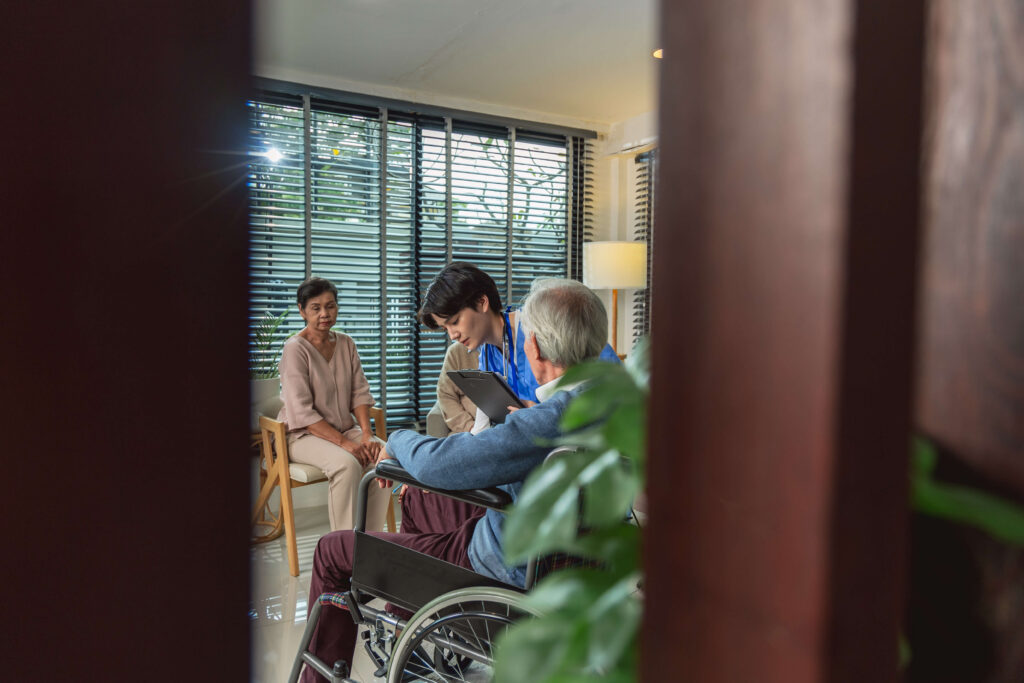
The terms “negligence” and “abuse” are often used interchangeably when discussing mistreatment at nursing homes and senior communities. However, these terms represent distinct legal concepts with significant implications for the well-being of residents at assisted-living facilities.
If you are seeking compensation and justice for the injuries caused to an elderly loved one, our nursing home abuse attorneys in Bellingham, WA can provide strong legal assistance and guidance. For a free consultation, contact our law firm today. You can also reach Walton Injury Law in Whatcom County by phone at (866) 338-7079.
What Is Negligence in Nursing Homes?
Negligence is a legal concept that refers to a failure to exercise the level of care that a reasonably prudent person or entity would under similar circumstances.
In the context of nursing homes and senior living centers, negligence typically arises when the facility fails to meet the expected standard of care, resulting in harm or injury to a resident.
Examples of Nursing Home Negligence
Common examples of nursing home negligence include:
- Medication errors
- Falls due to inadequate supervision
- Bedsores (pressure ulcers) from lack of repositioning
- Inadequate nutrition or hydration
What Is Abuse in Nursing Homes?
Abuse is a deliberate act or pattern of behavior intended to cause harm or distress to another person. It can take various forms in a nursing home setting, including physical, emotional, sexual, or financial abuse.
Nursing homes found liable for abuse may face not only civil liability for compensatory damages but also criminal charges and penalties. In relation to this, regulatory agencies may revoke their licenses. A financial elder abuse lawyer can review records, transactions, and ensure that your loved one gets proper justice.
Examples of Nursing Home Abuse
Common examples of nursing home abuse include:
- Physical assaults
- Verbal threats or humiliation
- Sexual misconduct
- Financial exploitation of vulnerable residents
Legal Distinctions Between Negligence and Abuse in Elderly Care Facilities
These are a few other legal distinctions between negligence and abuse that are worth noting. These distinctions could play a role if you file a lawsuit against a Whatcom County nursing home.
- Intent: The presence of intent is the primary differentiator. Negligence involves accidental or unintentional conduct, whereas abuse involves intentional harm.
- Harm Level: Negligence often results in harm due to a failure to meet the standard of care. In contrast, abuse involves intentional harm, which can be physical, emotional, sexual, or financial.
- Mens Rea: Negligence lacks the “mens rea” (guilty mind) element required in criminal cases. Abuse, however, can lead to both civil and criminal charges, depending on the severity of the actions.
- Legal Proceedings: Negligence cases are typically civil lawsuits seeking compensation for damages. Abuse cases may involve both civil and criminal proceedings, with the potential for incarceration if the perpetrator is criminally convicted.
Obtaining Compensation for Negligence or Abuse in a Nursing Home
Seeking compensation for negligence and abuse in a Whatcom County nursing home is a serious matter. It’s important to follow the appropriate legal steps to ensure your loved one’s rights are protected and justice is served.
The most crucial step is to reach out to our experienced nursing home abuse attorneys in Bellingham, WA. We can provide legal advice, evaluate the strength of your case, and guide you through the complexities of the legal process.
Your elder abuse attorney will help determine who may be liable for the negligence or abuse. This could include nursing home staff, administrators, or the facility itself. They will also help gather evidence to support your case, which may include medical records, photographs of injuries, witness statements, and any documented incidents of negligence or abuse.
Settlement vs. Legal Damages in a Nursing Home Abuse Case
In many cases, nursing homes may seek to settle the case before it goes to trial. Your attorney will negotiate on your behalf to pursue a fair settlement that compensates your loved one for their injuries and suffering.
If a settlement cannot be reached, the case may proceed to litigation. Your attorney will present your case in court, and a judge or jury will determine the outcome.
Why Choose Walton Injury Law for Your Nursing Home Lawsuit
Our team at Walton Injury Law offers the experience and compassion needed for these kinds of nursing home cases. We have a deep understanding of the law, allowing us to provide the best possible legal representation.
Here are a few reasons why the people of Bellingham and surrounding Washington communities trust our legal team.
- We Prepare Every Case for Trial: At Walton Injury Law, we don’t pressure you into quick settlements. If the insurance company won’t pay what your case is truly worth, we are fully prepared to take your case to trial and fight for the compensation you deserve.
- Free Legal Consultations: You should be able to speak with a legal professional without paying any fees. During a free consultation, you can share your story, and our attorneys can let you know what steps you can take next.
- Clients Don’t Pay Unless We Win: Walton Injury Law operates on a contingency fee basis. That means clients don’t pay unless we can secure a settlement or win damages in court. If we don’t win, you don’t pay. We’re in this together, and we’re prepared to fight for your dignity.
- Available to You 24/7: We know that emergencies and major concerns can arise at any time of the day. Our law firm takes messages 24/7, and our lawyers will get back to you as soon as we can.
Contact Our Bellingham Nursing Home Negligence and Abuse Attorneys Today

Our experienced Bellingham nursing home abuse lawyers approach each case with empathy and understanding. We recognize the emotional toll that nursing home abuse can take, and we want to make sure your entire family feels supported and empowered throughout the legal process.
To request a free and confidential consultation with our team, contact our law firm today. You can also reach Walton Injury Law at (866) 338-7079. happy to provide you with a free case evaluation. Call us at 866-338-7079 or reach us online.