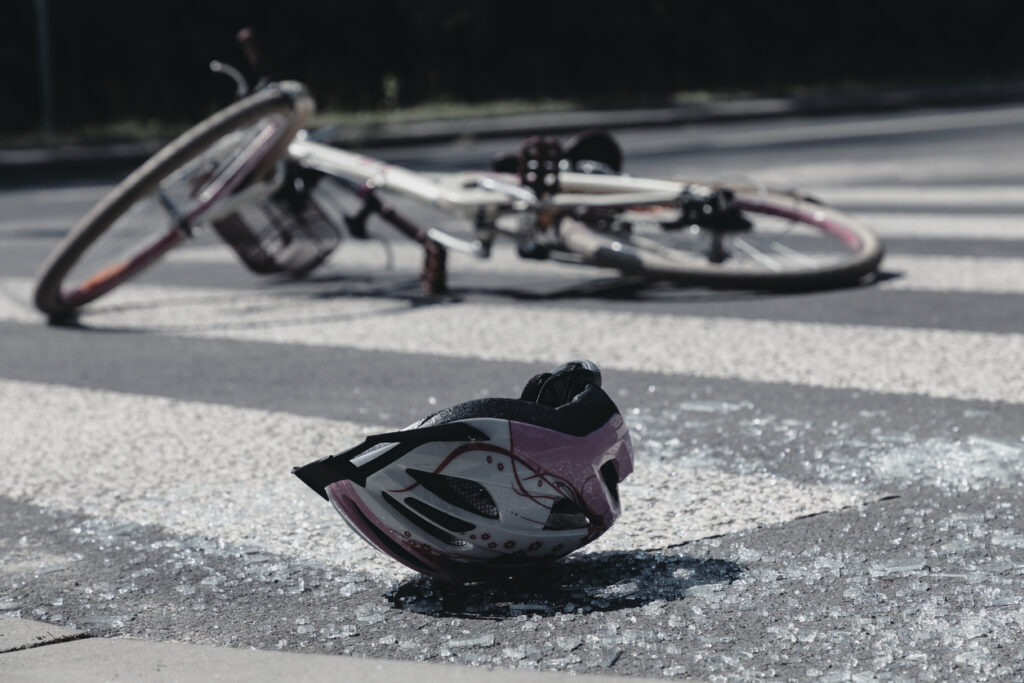
Bellingham’s extensive network of bike lanes, shared-use paths, and scenic cycling routes attracts commuters, recreational riders, and dedicated cyclists throughout the year. Popular routes such as Chuckanut Drive, the South Bay Trail, the Interurban Trail, and the streets surrounding Western Washington University are used by thousands of cyclists, and the City’s Bicycle Master Plan continues to expand and improve the local cycling network. Even so, collisions with motor vehicles still occur, often leaving riders with life-changing injuries.
Fault in a bicycle crash is not always obvious. A driver may blame the cyclist, witnesses may remember the collision differently, and important evidence can disappear quickly. Determining responsibility requires a close look at the traffic law, road conditions, and the specific actions of everyone involved in the bicycle crash.
Common Causes of Bicycle Accidents in Bellingham
Some of the most common types of bicycle accidents we see throughout Bellingham include:
- Drivers failing to yield at intersections: Cyclists are particularly vulnerable when motorists turn across their path or pull out without giving way. These collisions are more common at busy intersections along Samish Way, Bill McDonald Parkway, and roads surrounding Western Washington University.
- Dooring incidents: Drivers and passengers who fail to check for approaching cyclists before opening a door can leave riders with little or no time to react. This type of collision is more likely along North State Street, Railroad Avenue, and other streets with parallel on-street parking in downtown Bellingham.
- Unsafe passing: Washington law requires motorists to leave sufficient space when overtaking cyclists, yet some drivers pass too closely on narrow roads or around bends. This can be a particular concern on Lake Samish Road, Northshore Drive, and other roads popular with recreational cyclists.
- Distracted driving: Looking at a phone, adjusting a navigation system, or other distractions can prevent a driver from noticing a cyclist until it is too late. Busy commercial corridors such as Meridian Street and Iowa Street often experience the stop-and-go traffic where these collisions can occur.
- Collisions involving driveways and parking lot entrances: Drivers entering or leaving businesses may focus on motor vehicle traffic and overlook approaching cyclists using the roadway or bike lane. These crashes are more common near shopping centers and commercial areas along James Street and Lincoln Street.
Establishing fault requires evidence showing what happened, which road user violated a legal duty, and how that conduct caused the cyclist’s injuries.
Fault and Other Legal Issues in Bellingham Bicycle Accident Cases
The following legal principles apply to most bicycle accident claims in Washington.
Negligence
To establish fault, you must show that the other party failed to exercise reasonable care and that their actions caused the collision and your injuries. This might involve proving that a driver failed to yield, opened a vehicle door into your path, drove while distracted, or violated another Washington traffic law.
Comparative Fault
Washington follows a pure comparative fault system under RCW 4.22.005. Insurers sometimes argue that cyclists contributed to a collision by failing to signal, riding unpredictably, or not complying with the rules of the road. Even if you are found partly at fault, you can still recover compensation, although your award will generally be reduced by your percentage of responsibility.
For example, a cyclist found 20% responsible could generally recover 80% of the total damages awarded.
Cyclists’ Rights and Responsibilities
Under Chapter 46.61 RCW, cyclists generally have the same rights and responsibilities as other road users. Drivers are expected to share the road safely, while cyclists must also comply with applicable traffic laws. Establishing fault often comes down to determining which road user failed to meet those legal duties immediately before the collision.
Statute of Limitations
Washington generally allows three years to file a personal injury lawsuit following a bicycle accident under RCW 4.16.080. Claims against governmental entities often involve additional procedural requirements. Waiting too long can make it more difficult to establish fault, particularly if surveillance footage has been deleted, witnesses can no longer be located, or the damage to your bicycle has been repaired or discarded.
Preserving evidence is often key to establishing fault after a bicycle accident.
How Can You Protect Your Claim?
Taking the following steps can help protect both your health and your legal claim:
- Seek Medical Attention: Arrange a medical evaluation as soon as possible, even if your injuries seem minor. Cyclists commonly sustain fractures, concussions, shoulder injuries, and soft tissue damage, while some injuries do not become apparent until hours later. A medical examination also creates an official record linking your injuries to the collision.
- Photograph the Scene: If it is safe to do so, photograph the vehicles, your bicycle, the road layout, traffic signs, and any visible injuries. Damage to your bicycle, helmet, and cycling gear can provide valuable evidence when establishing fault.
- Obtain Witness Details: Independent witnesses can be particularly important if the driver disputes how the collision occurred. Collect their names and contact information before they leave the scene.
- Preserve Your Bicycle and Equipment: Avoid repairing or disposing of your bicycle, helmet, clothing, or other damaged equipment. They may help demonstrate how the collision occurred and the force of the impact.
- Contact a Bellingham Bicycle Accident Attorney: An attorney can begin preserving evidence, obtaining police reports or available surveillance footage, and communicating with the insurance company on your behalf. Early legal advice can also help ensure important evidence is not lost.
If you were unable to take all of these steps, do not worry. Walton Injury Law can help retrace your steps, investigate the collision, gather available evidence, and locate witnesses where possible.
How Walton Injury Law Helps Establish Liability
As a cyclist, you have the same right as every other road user to expect others to exercise reasonable care. Once you contact Walton Injury Law, we can begin:
Investigating the Collision
We compare the police report with the physical evidence, inspect the collision location where appropriate, and assess whether the road layout, traffic controls, and vehicle positions support the driver’s version of events. Where necessary, we also review sightlines, intersection layouts, and the direction of travel to identify how the collision occurred.
Gathering the Evidence
Our attorneys obtain surveillance footage from nearby businesses, traffic camera recordings where available, witness statements, photographs, emergency responder records, and vehicle damage reports. We also preserve evidence from the bicycle itself, including impact damage, tire marks, lighting equipment, and any onboard cycling camera footage.
Electronic evidence may also include dashcam footage, phone records, or other types of vehicle data.
Identifying the Liable Parties
We investigate whether anyone other than the driver contributed to the collision. Depending on the circumstances, this may include an employer whose employee was driving for work, a commercial vehicle operator, a contractor responsible for road construction, or a public authority responsible for maintaining the roadway.
Negotiating With the Insurance Companies
We present the evidence supporting your claim, explain how Washington law applies to the facts, and respond to allegations that you caused or contributed to the collision. Every settlement offer is assessed against the available evidence and the full extent of your losses before any recommendation is made.
Preparing for Trial
If settlement negotiations are unsuccessful, we continue obtaining evidence through the litigation process, interview witnesses, work with expert witnesses where appropriate, prepare court filings, and present the evidence needed to establish liability at trial.
Our Bellingham bicycle accident attorneys prioritize pursuing compensation that reflects the full extent of your injuries and losses. You and your family should not be left facing financial hardship because of someone else’s negligence.
What Compensation May Be Available?
The compensation available depends on the severity of your injuries, the evidence supporting your claim, and the impact the collision has had on your life. Depending on the circumstances, you may be entitled to recover compensation for:
The Cost of Your Medical Care
Treatment following a bicycle collision often extends well beyond the emergency room. Your claim can include the cost of ongoing care, rehabilitation, medication, follow-up appointments, mobility aids, and any treatment you are expected to need in the future.
Income You Were Unable to Earn
If your injuries forced you to take unpaid leave, reduce your working hours, or leave your job altogether, those financial losses can be included as part of your claim. Future reductions in your earning ability may also be recoverable.
Your Bicycle and Cycling Equipment
Many bicycles and accessories represent a significant financial investment. Compensation can include the repair or replacement of your bicycle, helmet, eyewear, cycling computer, lights, clothing, and other equipment damaged in the collision.
The Impact on Your Daily Life
Compensation is not limited to financial losses. It may also reflect the physical pain, emotional effects, and loss of independence caused by your injuries, including the inability to continue activities that were previously part of your routine.
Wrongful Death Damages
When a collision results in the loss of a loved one, Washington law allows certain surviving family members to pursue compensation for the financial and personal losses resulting from the death.
Our Bellingham bicycle accident attorneys work with your treating physicians, life care planners, and other experts where necessary to ensure the full extent of your losses is properly accounted for.
Why Choose Walton Injury Law?
Walton Injury Law represents injured cyclists throughout Bellingham and Whatcom County. The firm focuses on preserving evidence, responding to allegations of cyclist fault, and building claims that reflect the full physical and financial impact of a serious bicycle crash.
Keeping Pace With Local Cycling Developments
Our attorneys stay informed about updates to Bellingham’s Bicycle Master Plan, changes to local cycling infrastructure, and developments in Washington bicycle laws so our legal strategies reflect the conditions cyclists face on today’s roads.
No Upfront Legal Fees
We handle bicycle accident claims on a contingency fee basis, so you do not pay any attorney’s fees upfront. Our fee is only paid if we successfully recover compensation on your behalf.
A Trial-Ready Mindset
If liability remains disputed or settlement negotiations are unsuccessful, our experienced trial attorneys are prepared to present your case in court. They will continue developing the evidence, examining witnesses, and proving your claim throughout the litigation process.
Frequently Asked Questions
Below are some of the most common questions we receive from injured cyclists throughout Bellingham.
Could the City of Bellingham be responsible if a pothole or poor road condition caused my cycling crash?
Potentially. If a dangerous road defect contributed to the collision and the City or another public authority was responsible for maintaining the roadway, you may have grounds to pursue a claim.
Can I still recover compensation if I wasn’t wearing a helmet?
Yes. Washington does not have a statewide bicycle helmet law, and not wearing a helmet does not automatically prevent you from recovering compensation. It may, however, become relevant if the extent of your head injuries is disputed.
Do cyclists always have the right-of-way?
No. Cyclists generally have the same rights and responsibilities as other road users and must obey traffic signals, signs, and right-of-way rules. Whether a cyclist or driver had the right-of-way depends on the circumstances of the collision.
What if the driver says I came out of nowhere while riding my bike?
That statement does not establish fault. Visibility, lighting, speed, sightlines, and bicycle positioning may help to determine if the driver was keeping a proper lookout. Witness accounts and any available video can also help determine fault.
Can I still bring a claim if the driver left the scene?
Yes. A hit-and-run does not prevent you from pursuing compensation, although identifying the driver may require additional investigation. Depending on the circumstances, uninsured motorist coverage or other sources of compensation may also be available.
What happens if the collision involved a commercial vehicle or delivery driver?
Claims involving commercial vehicles can be more complex because more than one party may be legally responsible. Depending on the circumstances, liability may extend beyond the driver to their employer or another business connected to the vehicle.
If you have additional questions, our attorneys will be happy to answer them during a free consultation.
Learn More About Your Rights After a Bicycle Crash in Bellingham
Establishing fault in cases involving cyclists can be challenging, and cyclists are often unfairly blamed. That’s why it is important to have an attorney who understands the law and advocates for improved cyclist safety.
For more than a decade, Walton Injury Law has represented injured cyclists throughout Bellingham and Whatcom County. Contact our office today to schedule a free consultation and discuss your case in more detail.