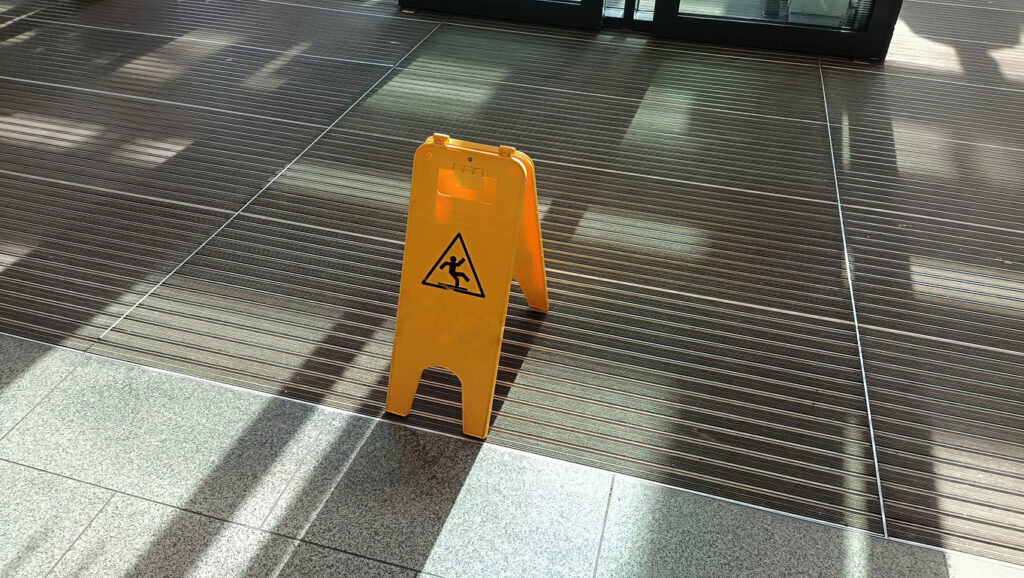
A fall can happen in seconds, but the condition that caused it may disappear just as quickly. A spill can be mopped, a broken mat replaced, snow can melt, or a loose display can be moved before anyone thinks to preserve what was there. For that reason, the evidence collected right after a slip and fall can matter just as much as the medical records that come later.
For people hurt in Bellingham or elsewhere in Whatcom County, the strongest documentation often begins with simple steps taken at the scene. Walton Injury Law helps injured people preserve records, evaluate property maintenance, and determine whether the facts support a premises liability claim. A Bellingham slip and fall attorney can also step in when a store, landlord, business, or insurer controls important evidence.
The Critical Role of Evidence in Washington Slip and Fall Claims
A premises liability claim does not succeed merely because someone fell on another person’s property. The facts must show why the fall happened, what condition created the danger, and why the property owner or another party can legally be held responsible for that condition.
That often requires more than one type of proof. A photograph may show the hazard itself. A witness may explain how long it was present. An incident report may identify employees who responded. Medical records can connect the fall to the injury.
For anyone focused on proving negligence, Washington slip and fall claims depend heavily on the quality and timing of that documentation. Conditions inside a store, parking lot, apartment complex, restaurant, or public-facing business can change before an insurer ever inspects the site.
Evidence Can Disappear Long Before a Lawsuit Deadline
Washington generally gives injured people three years to bring many personal injury actions under RCW 4.16.080. However, waiting to take legal action due to a seemingly lenient deadline can result in evidence disappearing, fading, or being destroyed.
Claims against a government entity, such as the City of Bellingham, Whatcom County, or the State of Washington, generally involve a shorter effective timeline than an ordinary private-property claim. A separate pre-suit claim-filing process applies, and the notice period can affect a case well before the three-year deadline would otherwise be a concern. That makes prompt evidence gathering especially important when a public entity may be involved.
Immediate On-Scene Evidence: Photos, Videos, and Physical Hazards
Close-up photographs are useful, but they should not be the only images taken after a fall. The goal is to preserve both the dangerous condition and its surroundings.
Photograph the substance, broken surface, loose object, ice, snow, uneven pavement, torn carpeting, poor lighting, or other conditions involved. Take images from several distances and angles. Include nearby doors, aisles, stairways, displays, curbs, drainage areas, or other features that help establish the hazard’s location.
Evidence collected after a slip and fall should also show whether cones, barriers, or other warnings were present.
Some Hazards Are Easier to Show on Video
Certain conditions are difficult to capture in a still photograph. A short video can better show a moving step, poor lighting, or a slick surface. Keep any narration factual and avoid guessing about responsibility.
For outdoor falls, weather and surface conditions can change quickly. Slip and fall claims involving ice and snow can result in devastating injuries and can also be much more complex than other premises liability cases. Video may be more useful than a photo when movement, lighting, or surface conditions are hard to capture, so use it whenever a still image would not tell the full story.
Preserve Shoes and Personal Items
Shoes and damaged personal items can become part of an insurance investigation. Photograph and keep them, as they may help explain the fall or answer arguments about traction or other conditions.
Glasses, bags, clothing, or another item damaged during the incident may also help document how the person landed or the force involved.
Build an On-Scene Record Before Leaving
A fall victim may be embarrassed, shaken, or in pain and simply want to leave. When health permits, however, basic information gathered before leaving can prevent uncertainty later.
A practical slip and fall evidence checklist may include:
- Photographs of the precise condition that caused the fall.
- Wide views showing the surrounding area.
- Video used when movement, lighting, or surface conditions are difficult to show in photographs.
- Names and contact details for witnesses.
- The names or job titles of employees who responded.
- A copy or identifying information for any incident report.
- Photographs of relevant shoes, clothing, or damaged belongings.
- Notes about the approximate time and exact location of the fall.
Someone with a serious injury may not be able to gather these items personally. A companion, family member, or later investigation may still be able to preserve some of the same information.
Record the Exact Location
An investigator should be able to determine where the fall occurred without guessing. Note the aisle number, doorway, stairwell, parking area, sidewalk section, or another fixed reference point.
In a large store or parking lot, a description such as “near the entrance” may not be enough months later. A quick phone note can preserve details even after displays, merchandise, parked vehicles, or weather conditions change.
Eyewitness Statements and Official Incident Reports
A neutral witness may have seen the hazard before the fall, watched another person nearly slip, or heard an employee discuss the condition. Those observations can establish facts that no photograph captures.
Ask witnesses for a name, telephone number, and email address. A short description of what they observed can also be useful while the event is fresh.
A witness who says a puddle was present well before the fall may provide very different information from someone who saw an employee create the hazard moments earlier. When proving negligence, Washington slip and fall cases can turn on how the condition arose and what the property operator had an opportunity to know or do.
Report the Incident Without Guessing About Fault
Tell a manager, property owner, landlord, or other appropriate person that the fall occurred. Ask whether an incident report will be created and request a copy if one is available.
Keep the description factual. Identify where you fell, what you observed, and what hurts. There is no need to speculate about why the condition existed or volunteer statements such as “I should have seen it.”
The same caution applies to early recorded statements that an insurer requests. A Bellingham slip and fall attorney can review the request before you provide a detailed statement.
Medical Documentation and Personal Injury Journals
Evidence about the property is only half of the claim. You must also document the injury itself.
Seek appropriate medical care after a serious fall. Tell the medical provider what happened and describe symptoms accurately. Follow-up appointments can show whether pain improves, worsens, or develops into a longer-term problem.
Medical documentation may include emergency room records, physician notes, diagnostic imaging, follow-up evaluations, therapy records, prescriptions, and treatment recommendations.
Keep Financial Records Along With Medical Records
Medical bills show only part of the economic impact. A fall may also cause missed work, reduced hours, transportation expenses for treatment, or the need to pay for help with ordinary tasks.
Keep invoices, insurance explanations of benefits, wage statements, employer correspondence, mileage records, and receipts connected to the injury.
A thorough slip and fall evidence checklist should therefore cover both what caused the incident and what the incident cost afterward.
A Personal Injury Journal Can Preserve Everyday Details
Medical charts do not capture every daily limitation. A simple journal can note pain, sleep problems, mobility limits, missed activities, driving difficulty, or help needed at home.
Keep entries factual and specific so details are not forgotten months later. A short entry explaining that stairs were difficult or that pain prevented a normal work shift can be more useful than repeated general statements about feeling bad.
Video Surveillance, Maintenance Logs, and Spoliation Letters
Many stores, apartment buildings, restaurants, parking areas, and other properties use video systems. Footage may show the fall itself, the condition beforehand, employee activity in the area, or whether warning signs were placed nearby. Identifying cameras early matters because digital footage may be automatically overwritten.
A Bellingham slip and fall attorney can send a written preservation request identifying relevant video and asking that it be retained.
Maintenance and Inspection Records Can Show What Happened Earlier
Business records may provide a timeline that photographs cannot. Cleaning logs, inspection sheets, repair requests, employee communications, work orders, or prior complaints can help show how the property was monitored.
The important records depend on the hazard. A grocery-store spill may call for inspection and cleaning records. A broken stair may require a repair request. An icy walkway may raise questions about snow removal, drainage, or treatment of the walking surface.
That is why a slip and fall evidence checklist should not stop with evidence physically available at the scene.
What a Preservation Letter Actually Does
A preservation letter, sometimes called a spoliation letter, identifies evidence that may be relevant to a potential claim and tells the recipient to retain the material.
It does not automatically force production or prove the requested material exists. Its value is providing early notice that specified evidence may matter.
The request can identify surveillance footage, incident reports, cleaning logs, inspection records, employee communications, photographs, repair documentation, or other relevant material.
Washington Comparative Fault Can Make Your Own Evidence Important
Property owners and insurers will likely claim that you were distracted, ignored a warning, wore inappropriate footwear, or did not notice a dangerous condition.
RCW 4.22.005 generally allows compensation to be reduced to account for an injured person’s share of fault rather than automatically eliminating the claim. The Washington comparative fault rule provides the statutory framework.
Scene evidence can also answer fault arguments. Photographs or video may show that a warning was obscured or that lighting made the hazard difficult to see. Washington law makes it just as important to preserve information that responds to attempts to shift responsibility as it is to prove how the hazard was created.
Common Evidence Mistakes After a Fall
Some evidence suggests that problems cannot be corrected later. People sometimes leave the scene without taking photographs, discard the shoes they were wearing, or assume a store will preserve surveillance footage for months. By the time questions arise, that material may already be gone.
Another mistake is relying entirely on the property owner’s incident report. A business may describe the event from its own perspective, which makes independent photographs, witness information, medical records, and other documentation especially important.
The safest approach is simple: preserve whatever evidence is available, keep related records organized, and avoid guessing at details that remain unclear. Careful documentation can make it easier to address disputes about how the fall happened and what injuries resulted.
Use a Slip and Fall Evidence Checklist to Stay Organized
A good slip and fall evidence checklist should evolve after the incident. Keep copies together, and note where records may be missing.
Right after the fall:
- Photographs of the hazard and the surrounding area
- Video, if movement or lighting made the hazard hard to photograph
- Names and contact information for witnesses
- Names or job titles of employees who responded
- A copy of, or identifying information for, any incident report
- Photographs of shoes, clothing, or damaged personal items
- Notes on the exact time and location of the fall
As the claim develops:
- Medical records, including ER records, physician notes, imaging, therapy records, prescriptions
- Wage documentation, like pay stubs, employer correspondence, missed-work records
- A written surveillance-preservation request, if applicable
- Maintenance and inspection records (cleaning logs, repair requests, work orders)
- Insurance correspondence and explanations of benefits
- A personal injury journal noting pain, sleep problems, and daily limitations
Talk With a Bellingham Slip and Fall Attorney About Preserving Evidence
The condition that causes a fall may be temporary, but the injury can last much longer. Early evidence can help establish where the hazard was, how it affected the person, and what information the property owner may still have.
Walton Injury Law represents people injured in falls throughout Bellingham and Whatcom County. We can review the evidence, identify records that may need to be preserved, and communicate with property owners or insurers about the claim.
Please use our online form to discuss what evidence to collect after a slip and fall and whether additional documentation should be pursued. Your first consultation with our firm will be free.